



Blog and News
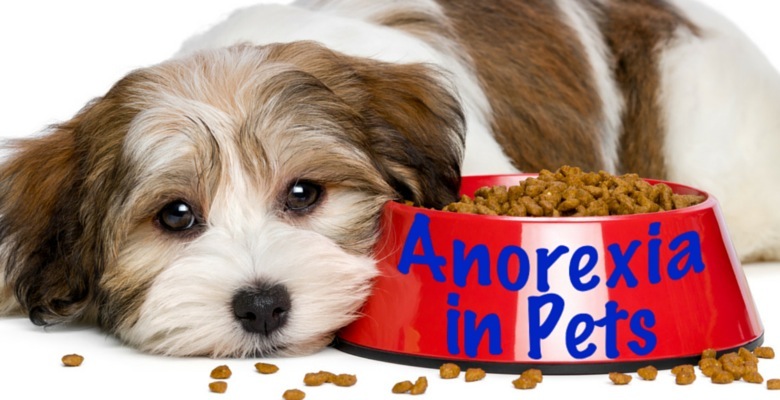
Anorexia in pets
Anorexia in pets simply means not eating at all.
It does not refer to the human eating disorder anorexia nervosa.
When a veterinarian says a pet has anorexia, it means the pet is refusing food, which is often a sign of underlying illness.
Why Loss of Appetite Is Dangerous?
Missing one meal may not be serious, but repeated or gradual appetite loss is a major warning sign. Nutritional support is essential for recovery and helps keep pets stable while diagnosis and treatment are ongoing.
Cats are especially at risk. When cats stop eating, their bodies break down fat for energy.
The liver cannot safely process this fat, leading to hepatic lipidosis, a life-threatening condition.
Signs Your Pet’s Appetite Needs Medical Attention
- Refusing food for more than 24 hours (cats)
- Eating only gravy or licking food
- Weight loss
- Lethargy or hiding
- Vomiting or diarrhea
- Refusing favorite foods.
How to Encourage a Pet With Poor Appetite to Eat ?
1. Offer Canned (Wet) Food First
Wet food has a stronger smell and softer texture, making it more appealing than dry food. Canned food is nutritionally complete and differs from dry food mainly in water content.Helpful additions:Mixing wet and dry foodAdding warm water or pet-safe brothAdding a small amount of cooked egg.
2. Use High-Value “Jump-Starter” Foods
Some foods can help restart appetite temporarily:Canned chickenCooked eggCanned tuna (in water)Veterinary recovery diets
These are short-term solutions, not long-term diets.
3. Hand Feeding & Smell Stimulation
If your pet refuses food from a bowl:Rub a small amount on the gumsOffer food by spoonHold food close to the nose to increase aromaEven a small taste may restart eating.
Gourmet & Commercial Foods That Help
Highly palatable foods like gourmet gold and best pet gourmet are often accepted when pets refuse everything else. These products are nutritionally balanced and can be used temporarily as a sole diet if needed.
Prescription Diets: Important Advice:
- Never starve a pet to force prescription food.
- If refused: Transition gradually over 7–10 days
- Ask your vet about alternative flavors
Medical Treatment for Appetite Loss
Veterinarians may prescribe appetite stimulants.